Posts

The Future of Circuit Boards: Rigid Flex PCB

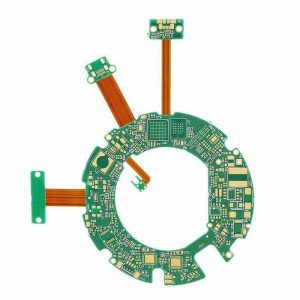
  In the realm of electronics, the unsung heroes are often the circuit boards that bring our favorite devices to life. Among the varied choices, the seamless convergence of flexibility and rigidity in one circuit board stands out. Enter the world of Rigid Flex PCB. Innovations from a Leading Rigid Flex PCB Manufacturer One cannot delve into the world of Rigid Flex PCBs without acknowledging the contribution of a certain manufacturer that has managed to strike the right balance between flexibility and sturdiness. XPCB has been at the forefront of merging these two worlds, offering a unique solution that addresses the challenges of modern-day electronics. While many have attempted to perfect the art of combining flexible and rigid materials, only a few have managed to achieve a level of mastery. This Rigid Flex Pcb Manufacturer ensure minimal space usage, thereby providing an optimal solution for intricate electronic configurations. Their durability is unparalleled, and their design...
5 Factors That Affect The Cost Of A Flexible PCB Quote

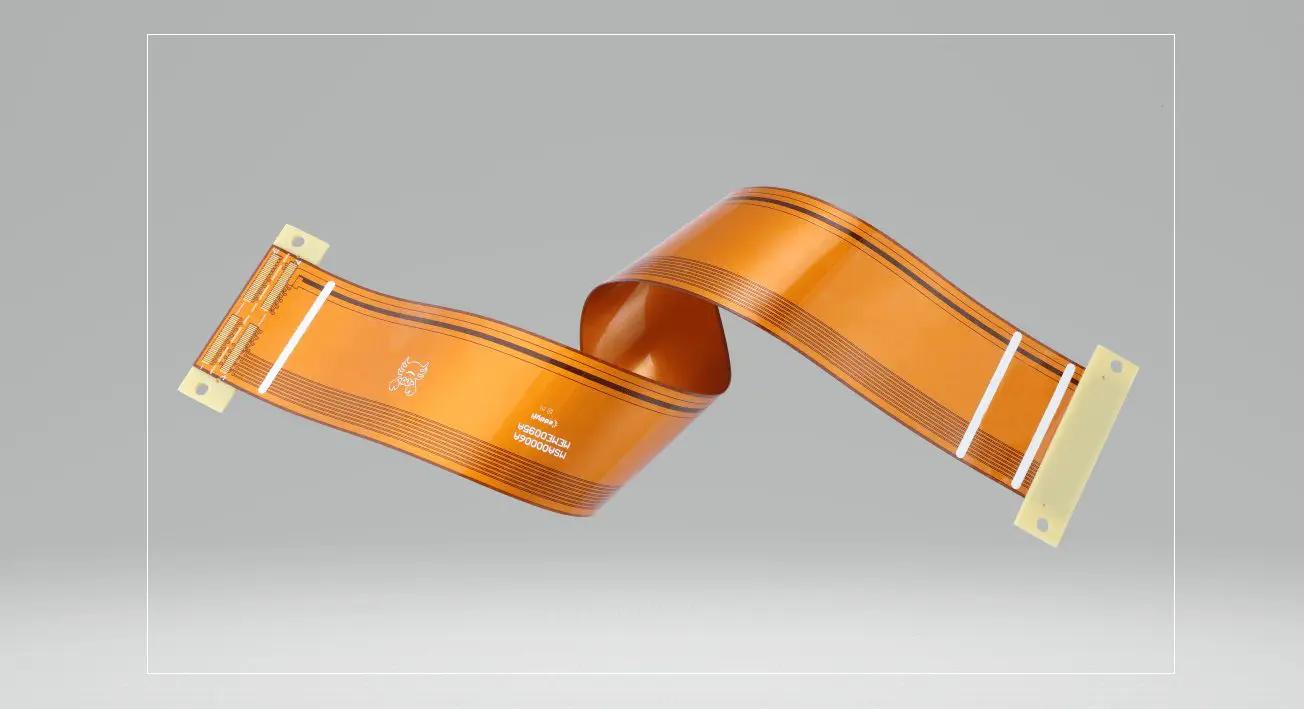
Flexible printed circuit boards (PCBs) have become indispensable components in modern electronic devices due to their versatility and reliability. When seeking a Flexible PCB Quote , it is important to understand the factors that influence the cost.  1. Board Size & Complexity: Larger boards require more materials, increased manufacturing time, and additional processing steps, leading to higher costs. Similarly, intricate designs with complex circuitry, tight trace widths, and small component placements demand more precise manufacturing processes, which can also contribute to increased costs. 2. Number Of Layers: Number of layers in a flexible PCB has a direct impact on the Flex PCB Quote . Multi-layer flexible PCBs, such as those with four or more layers, involve more intricate fabrication processes and require additional layers of materials, increasing both manufacturing time and material costs. Consequently, the more layers involved, the higher the overall cost of the flexib...

Flexible PCB Fabrication: The Advantages and Challenges of Manufacturing

Image
Flexible printed circuit boards (PCBs) have gained increasing popularity in recent years due to their flexibility and compactness. With the rise of wearable technology, medical devices, and the Internet of Things (IoT), flexible PCB fabrication has become an essential part of electronic product development. In here, we will explore the advantages and challenges of manufacturing flexible PCBs, and what to look for when choosing a flexible PCB manufacturer. Advantages of Flexible PCBs: Compared to rigid PCBs, flexible PCBs present various benefits. They are lightweight, compact, and can be bent or shaped to fit into tight spaces. Flexible PCBs also offer better resistance to vibration and shock, making them ideal for use in harsh environments. Additionally, flexible PCBs can reduce manufacturing costs by eliminating the need for connectors and cables, which can be expensive and time-consuming to install. Challenges of Flexible PCBs: Despite their many advantages, there are also several ...

A Complete Guide Through Quick Turn Rigid-Flex PCB

Image
  PCB assemblies are dependent on the use of flex PCBs. The foremost advantage of a   quick-turn rigid-flex PCB   is the scope of business growth and profitability. The flex PCBs are flexible and compact. These are also heat and vibration resistant, which adds to the quality and benefits of the PCB assembling.  What Is Rigid-Flex PCB The rigid-flex PCB has a combined use of rigid and flexible circuit boards. This hybrid form of PCB manufacturing has produced a flexible board that is bendable and foldable.  Due to a 3D design, it has less storage space requirement. It is shock resistant.  Fewer soldering requirements for joints and connectors enhance consistency.  With fewer cables and connectors, the rigid-flex PCB has a simple manufacturing process.  The rigid-flex PCB has combined the best features of the rigid and the flex to create an effective hybrid. In this, several rigid circuits are held together by the flex circuits.  Uses Of Flex P...

Exploring the World of Rigid-Flex PCBs: Fabrication, Assembly, and Advantages.

Image
  Rigid flex printed circuit boards (PCBs) are a unique type of PCB that combines the benefits of both rigid and flexible PCBs They are widely used in various industries, including aerospace, military, medical, and industrial automation We will discuss the process of rigid-flex PCB fabrication and the role of PCB assembly manufacturers in the production of these boards . What is a Rigid-Flex PCB? A rigid-flex PCB is a combination of a rigid PCB and a flexible PCB. The rigid portion of the board provides structural support and houses components, while the flexible portion allows for movement and flexibility. This unique design allows for compact and lightweight devices that can withstand harsh environments. The Fabrication Process of Rigid-Flex PCBs The fabrication process of rigid-flex PCBs is a multi-step process that involves several stages, including design, material selection, drilling, lamination, etching, and inspection. The process starts with the creation of the PCB des...

Exploring the World of Rigid-Flex PCBs: Fabrication, Assembly, and Advantages.

Image
Rigid flex printed circuit boards (PCBs) are a unique type of PCB that combines the benefits of both rigid and flexible PCBs. They are widely used in various industries, including aerospace, military, medical, and industrial automation. We will discuss the process of rigid-flex PCB fabrication and the role of PCB assembly manufacturers in the production of these boards . What is a Rigid-Flex PCB? A rigid-flex PCB is a combination of a rigid PCB and a flexible PCB. The rigid portion of the board provides structural support and houses components, while the flexible portion allows for movement and flexibility. This unique design allows for compact and lightweight devices that can withstand harsh environments. The Fabrication Process of Rigid-Flex PCBs The fabrication process of rigid-flex PCBs is a multi-step process that involves several stages, including design, material selection, drilling, lamination, etching, and inspection. The process starts with the creation of the PCB design, w...

Five Different Types Of Performance Features Of PCB Designers

Image
PCB stands for Printed circuit board and uses different types of materials as the components and substrates. The selection of material for the flexible PCB fabrication depends upon the choices of the materials. The manufacturers or the designers choose the circuits for facilitating the performance in specific situations. Designers also give importance to electrical performances for mechanical and thermal survivability. The regulatory government requirements are also necessary for compliance and selection. There are several types of performance features of PCB available. Performance Features Of PCB Designers The designers of PCB face several performance features while looking for material selection. Those are as follows. ●        Dielectric constant : Dielectric constants are those that are key to the performance indicator.   ●    Mitigated loss factors : The mitigated loss factors are very crucial in the applications of high speed....